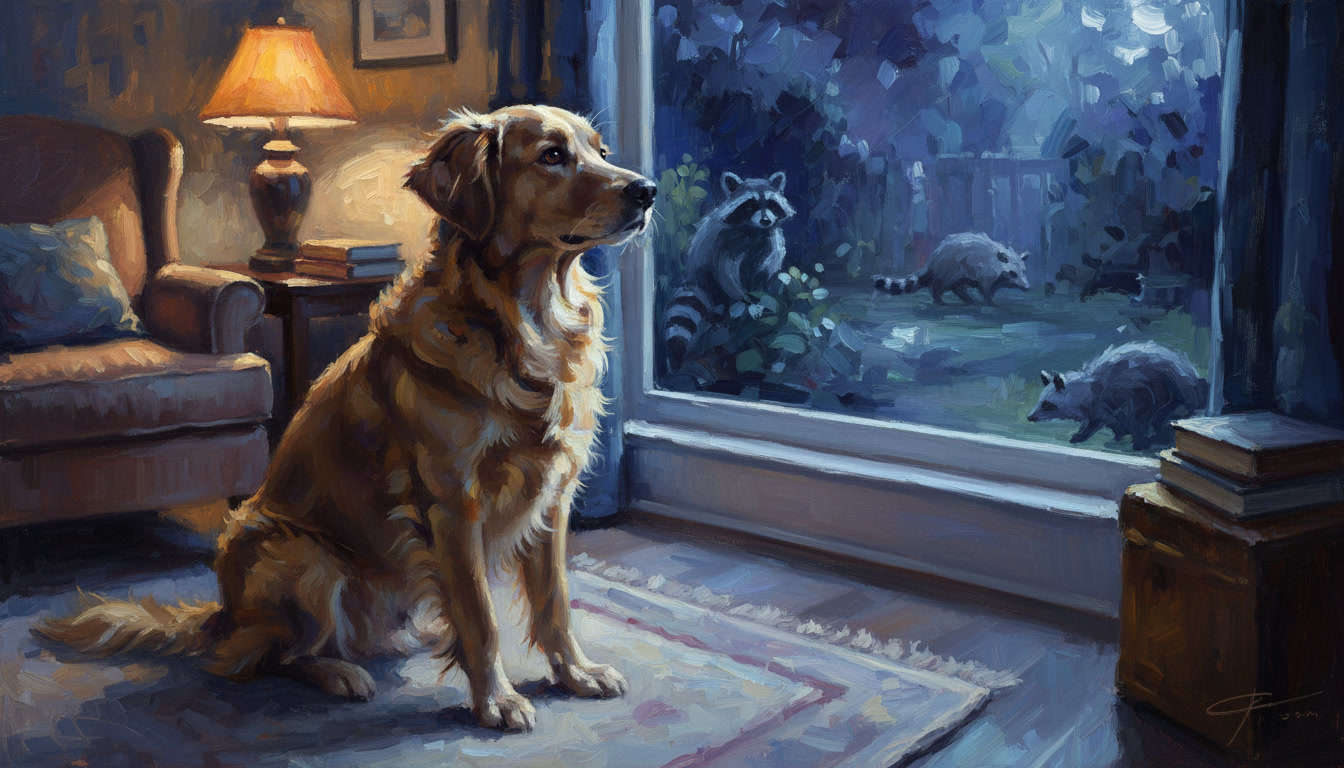
Why Dogs Bark More at Night (And What You Can Do About It)
Nighttime barking can be especially disruptive — and mysterious.
Here’s why it happens, and how to stop it.
Common Reasons Dogs Bark More at Night
⭐ 1. Heightened sensitivity
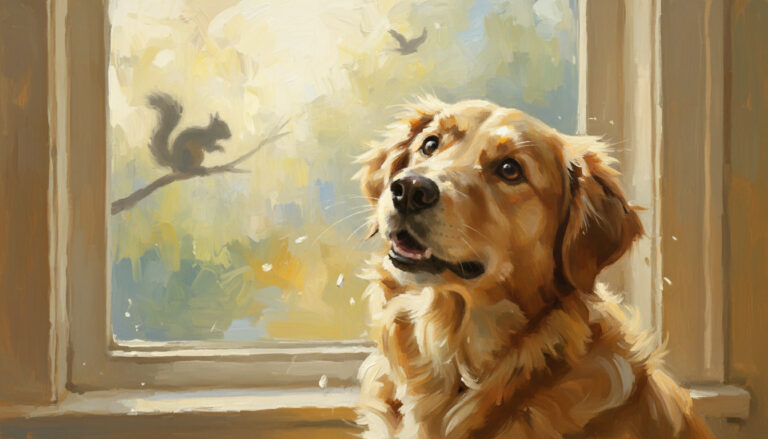
Fewer daytime noises → nighttime sounds seem louder.
⭐ 2. Wildlife activity
Raccoons
Possums
Deer
Cats
Other dogs
Activity spikes at night.
⭐ 3. Guarding instinct
Many dogs switch to alert mode after dark.
⭐ 4. Pent-up energy
Not enough daytime stimulation.
⭐ 5. Anxiety or loneliness
Common after changes in routine.
Nighttime Barking Fixes
✔ Increase exercise earlier in the day
Not right before bed.
✔ Add evening enrichment
Lick mats
Puzzle feeders
Calming chews
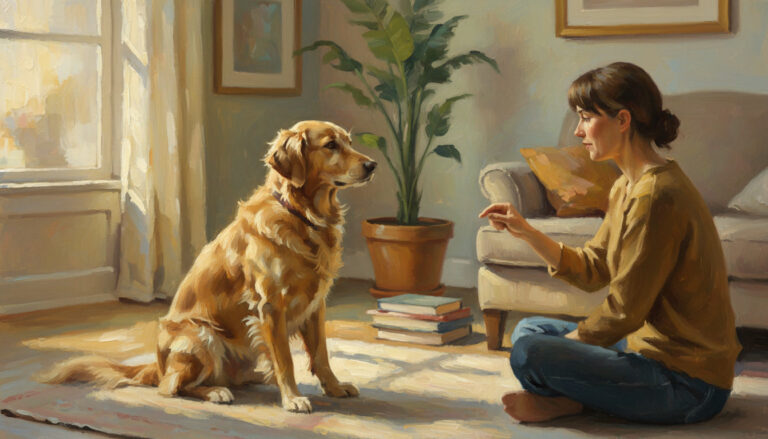
✔ Create a nighttime wind-down routine
Calm lighting
Soft music
Predictable patterns
✔ Use sound masking
Fan
Noise machine
Calm music
✔ Avoid late-night triggers
Close blinds
Limit nighttime yard time
Keep perimeter doors closed
Nighttime Barking Red Flags
Call a trainer or vet if your dog:
- Suddenly becomes anxious at night
- Paces excessively
- Refuses to sleep
- Shows new fear behaviors
This may signal pain, cognitive decline, or trauma.
Conclusion
Nighttime barking isn’t random — it’s a predictable combination of instinct, environment, and routine.
Adjust those factors and most nighttime barking fades quickly.
Find out more about Alarm and Startle barking here. This is an in-depth article on the topic.