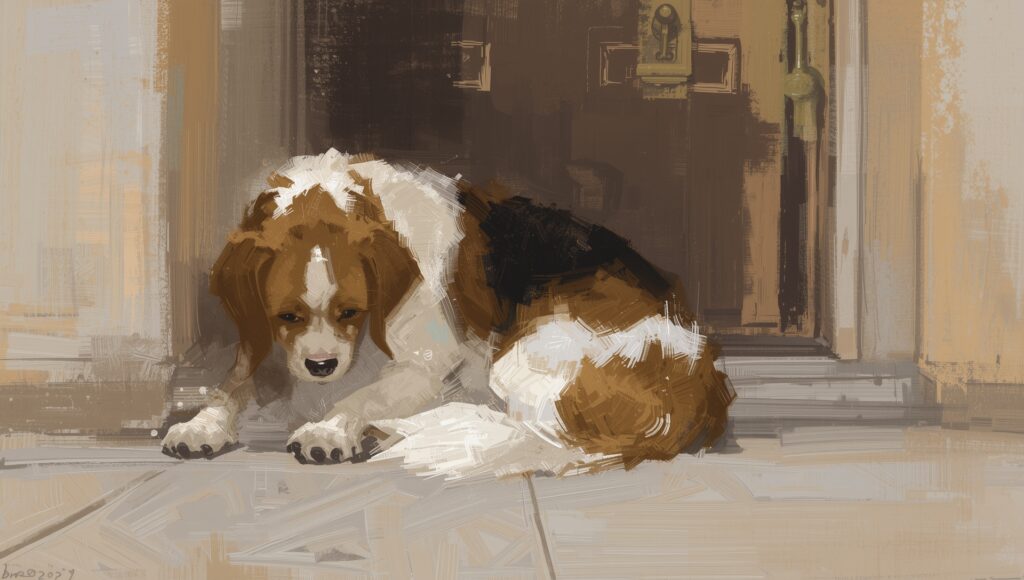

Why Dogs Bark When They’re Bored (And How to Reduce It)
Some dogs bark not because they’re afraid, territorial, or seeking attention — but simply because they have too much unused energy or not enough to do. Boredom barking is one of the most common (and most manageable) forms of barking.
This guide explains why dogs bark when understimulated and offers gentle, practical ways to give them healthier outlets.
Signs Your Dog Is Barking From Boredom
Common indicators include:
- Random, repetitive barking while wandering around the house
- Barking when left alone with nothing to do
- Pacing, whining, or grabbing objects to get your attention
- Barking at small noises or movement
- Excessive begging for interaction
Dogs have physical and mental needs that must be met. When they aren’t, barking becomes their “default activity.”
Why Dogs Bark From Boredom or Excess Energy
1. Not Enough Physical Exercise
Even dogs with yards need structured activity. Free-roaming isn’t the same as guided movement — most dogs don’t self-exercise.
Walks, sniffing time, and short play sessions can dramatically reduce barking caused by pent-up energy.
2. Insufficient Mental Stimulation
Dogs need daily brain work just as much as physical movement.
Without it, they may bark out of frustration or to create their own entertainment.
Mental stimulation ideas:
- Snuffle mats
- Food puzzles
- Kongs
- Hide-and-seek games
- Short 3–5 minute training sessions
3. Long Periods of Inactivity
Dogs who spend many hours alone or unengaged can build up unused energy that spills out as barking, pacing, or chewing.
Even quiet dogs reach a threshold where they need an outlet.
4. Lack of Routine or Structure
Dogs thrive on predictable patterns.
Without daily structure, barking becomes a self-soothing behavior — something to do when the world feels uncertain.
Simple schedules help tremendously.

How to Reduce Boredom or Excess Energy Barking
These strategies help most dogs within a few days to a few weeks.
1. Add One Extra Walk or Play Session
A small bump in daily activity makes a huge difference.
Examples:
- A 10–15 minute evening walk
- A quick fetch session
- A structured sniff walk
- Indoor hallway fetch on rainy days
Dogs don’t need hours — they need consistency.
2. Rotate Enrichment Toys
Dogs quickly get used to toys that are always available.
Keep 2–3 out at a time and rotate every few days to maintain novelty.
Enrichment tools:
- Food puzzles
- DIY towel-snuffle toys
- Freezer Kongs
- Chews like yak sticks or bully sticks
3. Incorporate Short Training Bursts
Training tires dogs out mentally more than long walks.
Try 3–5 minutes, once or twice per day:
- “Sit” and “stay” games
- Hand targeting (“touch”)
- Loose-leash micro-sessions
- Simple tricks (spin, down, paw)
Dogs love clear jobs — it satisfies their need for challenge.
4. Set Up a “Busy Box” for Alone Time
This reduces barking when you’re out of the house.
Ideas:
- A Kong filled with frozen peanut butter
- Scatter feeding treats around a room
- Hiding small chews in easy spots
A busy dog is a quiet dog.
5. Create a Daily Routine
Even simple structure lowers boredom barking:
- Morning potty → walk → breakfast
- Midday enrichment (puzzle or chew)
- Evening play or training
- Quiet wind-down time
Predictability = calmness.
6. Avoid Common Mistakes
Don’t:
- Scold or yell
- Give attention while the dog is barking
- Assume a yard replaces walks
- Expect a dog to entertain themselves for hours
Boredom barking is a need, not misbehavior.
When to Seek Additional Help
Consult a trainer or behaviorist if your dog:
- Barks for hours at a time
- Shows destructive behavior
- Cannot calm down even with enrichment
- Might actually be experiencing separation anxiety
A professional can tailor a plan to your dog’s lifestyle and energy needs.
FAQ: Boredom or Excess Energy Barking
How do I know if my dog is barking because they’re bored?
Boredom barking is usually repetitive and happens when your dog has nothing else to do. If the barking decreases after enrichment or exercise, boredom is the likely cause.
Does more exercise always stop boredom barking?
Not always — because mental stimulation is equally important. A balanced combination of short walks, play, and brain work works best.
Can a yard replace walks?
No. Most dogs don’t self-exercise in a yard. Without structured activity, they won’t burn enough energy to reduce boredom barking.
How often should I rotate enrichment toys?
Every 2–4 days. Novelty keeps dogs engaged and reduces barking caused by understimulation.
Is boredom barking the same as separation anxiety?
No. Separation anxiety barking happens only when the owner leaves and usually involves panic signs. Boredom barking occurs during inactivity, not emotional distress.
TL;DR: Why Dogs Bark When They’re Bored
Dogs often bark out of boredom when they don’t get enough physical exercise, mental stimulation, or daily structure. This kind of barking is a sign of unmet needs — not misbehavior.
- Repetitive or aimless barking often happens when dogs have “nothing to do.”
- Physical activity + brain work reduces most boredom barking quickly.
- Short training sessions exhaust dogs more than long walks.
- Rotating enrichment toys prevents understimulation.
- Predictable daily routines help dogs settle and stay calm.
Most dogs improve within days when given consistent activity, enrichment, and structure.
Looking for the research behind these recommendations? See our full Citations & Sources page →