

Why Dogs Guard Their Home and How to Gently Reduce Reactive Barking
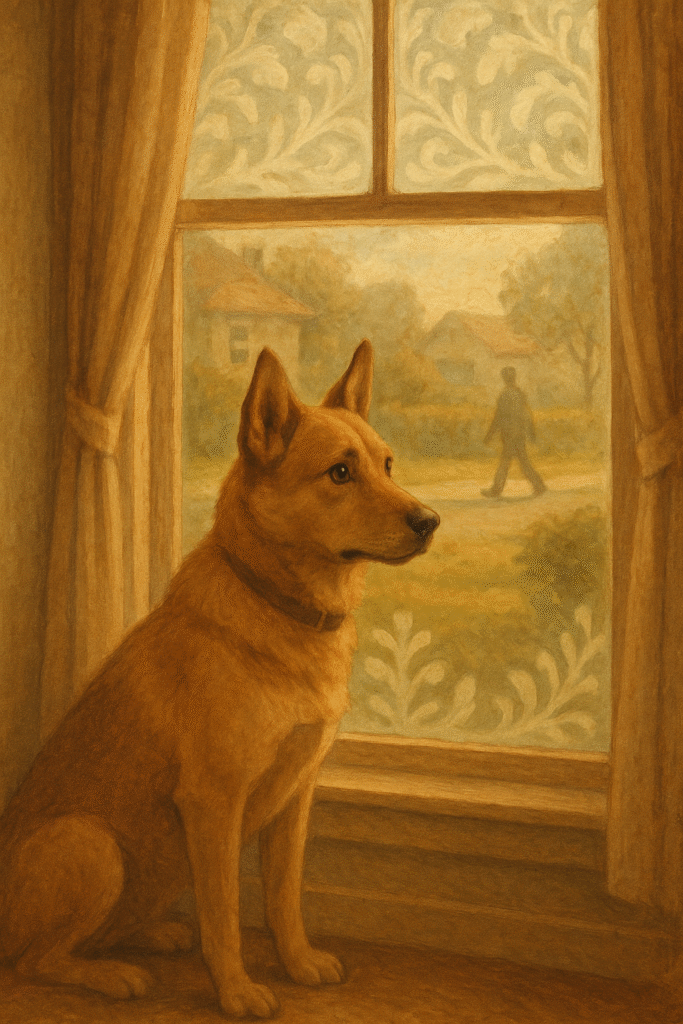
Dogs are naturally protective animals. When someone approaches the house, walks past the yard, or steps onto your property, your dog may bark to alert you or warn the intruder. This type of barking comes from instinct, not misbehavior — but it can become stressful when it happens constantly or escalates into reactivity.
This guide breaks down why territorial barking happens and offers calm, humane ways to help your dog feel secure without the nonstop alerting.
What Territorial & Protective Barking Looks Like
Common signs include:
- Barking or growling at people passing by the home
- Barking when guests arrive
- Guarding windows, fences, or the front porch
- Rushing to the door or fence line
- “Perimeter checking” behavior
Dogs do this because they believe it’s their job to alert you — and if it works (the mailman always leaves!), the behavior gets reinforced.
Why Dogs Bark This Way
1. Natural Guarding Instinct
Some breeds are more protective by nature. Even companions like Labs or mixed breeds may adopt guarding roles simply because the environment gives them a job to do.
2. Fear or Insecurity Behind the Behavior
Not all territorial barking is confidence-driven.
Many reactive barkers are actually trying to create distance because they feel unsure or overwhelmed.
3. Overstimulation (Too Much to Watch)
Dogs who watch constant activity through windows, fences, or front yards can become hyper-vigilant.
This creates a cycle:
See movement → Bark → Movement goes away → “Barking works!”
4. Learned Behavior
If barking has historically “solved the problem,” your dog assumes it is doing its job right. Repetition strengthens the habit.
How to Reduce Territorial & Protective Barking
Here are the most effective, humane methods.
1. Manage Sightlines (This Works Immediately)
If your dog barks at:
- Windows
- Fences
- The front door
- People walking by
…the quickest fix is visual management.
Tools that work:
- Frosted window film
- Curtains or blinds
- Blocking access to specific rooms
- Solid privacy panels on fencing
- Interior gates to limit hallway access
Managing the environment isn’t “giving up.”
It’s preventing your dog from rehearsing the unwanted behavior.
2. Create a Calm “Place” Near the Door
Teaching your dog a simple “go to your mat/bed” cue is powerful.
It gives your dog something to do instead of barking.
Steps:
- Choose a mat/bed in a calm, consistent spot.
- Reward your dog for lying calmly on it.
- Add small distractions (light knocks, movement).
- Practice until your dog automatically goes to their place when there’s noise at the door.
This is one of the best long-term solutions.
3. Reward Quiet Moments
Dogs repeat behaviors that earn rewards.
Catching your dog being quiet — especially when a trigger occurs — reinforces calmness.
Examples:
- Someone walks by → dog stays quiet → treat.
- Doorbell rings → short bark → quick quiet → praise/treat.
Small windows of calm are golden opportunities.
4. Desensitization & Counterconditioning
This reduces emotional arousal over time.
Simple version:
Trigger appears at a distance (a person, delivery truck, etc.)
→ Reward calmness
→ Gradually decrease distance over days/weeks.
This method teaches your dog:
“People near our home = safe + positive.”
5. Provide a Predictable Routine
Territorial barking often increases when dogs feel uncertain or under-stimulated.
Daily consistency helps:
- Walks (10–30 minutes)
- Mental enrichment (puzzle feeders)
- Interactive toys
- Light training sessions
A grounded dog is a quieter dog.
6. Use Sound Masking for High-Trigger Times
For neighborhoods with constant foot traffic:
- White noise machines
- Fans
- Soft music
- TV/radio
These reduce “alert triggers” and lower overall arousal.
7. Avoid Common Mistakes
Don’t:
- Yell “quiet” at your dog (it increases arousal)
- Use punishment collars (they suppress behavior but increase anxiety)
- Open the door while the dog is mid-bark
- Force your dog to “greet” triggers they’re scared of
All of these can unintentionally reinforce the behavior or worsen anxiety.
When Protective Barking Becomes a Problem
Seek additional help if:
- Barking escalates into lunging or snapping
- Your dog can’t calm down after a trigger passes
- Multiple barking types overlap (fear, anxiety, territorial)
A qualified behavior professional can create a custom plan.
Summary & Next Steps
Territorial and protective barking is natural — but with consistent guidance, structure, and a calmer environment, most dogs can greatly reduce the intensity and frequency of their alerting.
When you’re ready, explore:
- Fear-Based Barking →
- Attention-Seeking Barking →
- Separation Anxiety Barking →
- Training Methods → (your central training pillar)
All of these pages will connect into a clean internal-link network.
FAQ: Territorial & Protective Barking
Why does my dog bark at people walking past the house?
Most dogs bark at passersby because they see them as entering their “alert zone.” Even if the person is just walking by, your dog interprets the movement as something they should notify you about. Reducing window access and rewarding quiet behavior can significantly help.
Can territorial barking be trained away?
Territorial barking can’t be completely removed — it’s instinctive — but it can be greatly reduced. With consistent routines, calm reinforcement, and managing sightlines, most dogs learn to stay quieter and feel less reactive.
Why does my dog bark so much at the doorbell?
Doorbell barking is often a mix of excitement, surprise, and territory protection. Teaching a structured “go to your mat” behavior and practicing with doorbell sounds at lower intensity helps your dog learn a calmer response.
Is territorial barking the same as aggressive behavior?
Not always. Many territorial barkers are not aggressive — they’re overexcited, overstimulated, or anxious. True aggression usually involves lunging, snapping, or escalation beyond vocalizing. If you’re unsure, a professional assessment can help.
Should I let my dog greet people at the door?
It depends on your dog’s comfort level. Many territorial barkers become more reactive when forced into close contact. A safer approach is teaching your dog to stay in a calm spot while guests enter, then greet later if appropriate.
Why does my dog bark at noises outside, even when they can’t see anything?
Dogs have extremely sensitive hearing and often respond to sounds long before humans notice them. White noise, soft music, or closing off noisy sides of the home can help reduce these alert triggers.
TL;DR – Territorial & Protective Barking
- Territorial barking is instinctive — your dog is alerting you to activity around your home, not misbehaving.
- Common signs include barking at passersby, guarding windows or fences, and rushing to the door.
- Dogs bark because of natural guarding instinct, insecurity, overstimulation, or learned habits.
- The fastest improvement comes from managing sightlines (frosted windows, curtains, blocking access).
- Teach a calm “go to your mat” behavior to give your dog something to do when the doorbell rings.
- Reward quiet moments to reinforce calm behavior — even small improvements matter.
- Use desensitization and counterconditioning to slowly reduce reactivity to triggers.
- Daily structure (walks, enrichment, predictable routines) reduces overall arousal.
- Sound masking (white noise, music, fans) helps dogs who react to outside noises.
- Avoid punishment or yelling — these increase anxiety and make barking worse.
Most territorial barking can be greatly reduced with consistent routines, calm reinforcement, and better environmental management.
Further Reading & Trusted Resources